Taste the Terroir: Where Loire Valley’s Landscapes Feed Your Soul
You know that feeling when a place just gets you? The Loire Valley didn’t just impress me—it spoke to my stomach and my heart. Rolling vineyards, sun-dappled orchards, rivers whispering through villages—every view came with a flavor. I never expected farm-fresh goat cheese or crisp Vouvray wine to feel so deeply connected to the land. This is more than travel; it’s a sensory conversation with nature and tradition. You gotta taste it to believe it.
First Impressions: A Feast for the Eyes and Appetite
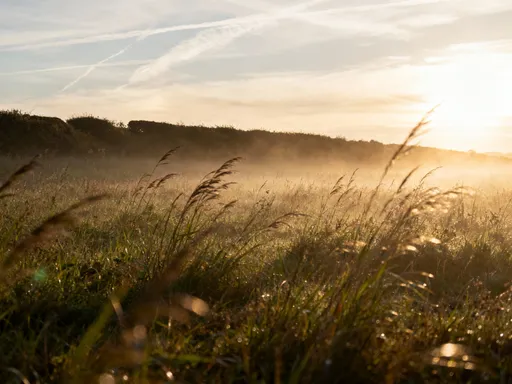
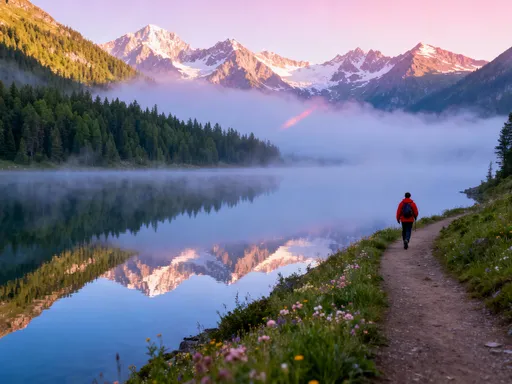
Arriving in the Loire Valley feels like stepping into a living painting, where every turn reveals a new tableau of green fields stitched together by silver ribbons of water and dotted with stone farmhouses softened by time. The landscape unfolds gently—no dramatic peaks or rugged cliffs, but a soothing rhythm of hills, meadows, and orchards that seem to breathe in harmony with the seasons. What strikes you first isn’t just the beauty, but how visibly alive the land is. This isn’t scenery for show; it’s working land, tended with care and purpose. Farmers move through fields at dawn, tractors hum along country lanes, and the air carries the scent of damp earth and blooming fruit trees. It’s clear from the start: here, nature doesn’t just inspire the plate—it fills it.
The connection between land and table becomes unmistakable the moment you glimpse your first roadside market. Even small villages host weekly gatherings where wooden stalls overflow with just-picked vegetables, baskets of plump strawberries, and wheels of cheese wrapped in cloth. There’s a quiet pride in how the produce is displayed—no flashy packaging, just honest abundance. A basket of golden apricots rests beside jars of amber honey; bunches of radishes still dusted with soil sit next to fragrant herbs tied with twine. These aren’t commodities—they’re the day’s harvest, pulled from the same soil you’ve been driving through. You begin to understand that in the Loire Valley, eating isn’t separate from the environment. It’s an extension of it. Every bite carries the story of sun, rain, and human hands working in quiet partnership.
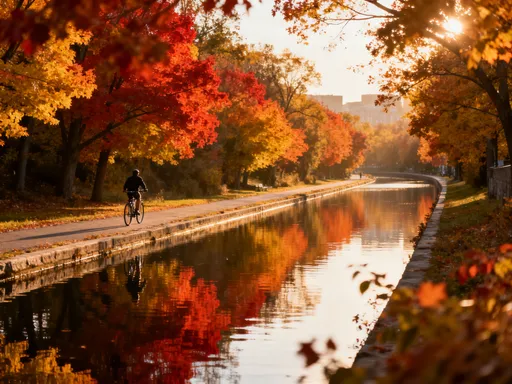
And the colors—oh, the colors. Spring brings a blush of cherry blossoms and apple blooms, soft pinks and whites drifting like clouds over the hills. By summer, the vineyards are a deep, lush green, their rows marching up gentle slopes like soldiers in formation. Autumn turns the orchards into gilded groves, where pears and apples hang heavy under slanting light. Even in winter, there’s a beauty in the bare branches and frost-covered fields, a sense of rest and renewal. This is a region that changes with grace, each season offering its own invitation to taste, to linger, to belong. For a woman who values balance, who seeks moments of calm and authenticity in a busy life, the Loire Valley feels like a long, slow exhale.
The River’s Role: Lifeblood of Flavor and Scenery
At the heart of the Loire Valley lies the Loire River—the longest in France, wild and free-flowing, undammed and untamed. It’s not just a scenic backdrop; it’s the lifeblood of the region, shaping everything from soil composition to microclimates, from farming practices to culinary traditions. As it winds its way through the valley, the river deposits rich silt during seasonal floods, creating fertile plains ideal for growing delicate crops like white asparagus, early strawberries, and tender salad greens. These floodplains, known locally as 'les bournais,' are among the most productive agricultural zones in the region, yielding produce prized for its sweetness and crispness.
Freshwater fish also thrive in the Loire’s cool, clear waters. Pike, zander, and loach appear regularly on local menus, often simply prepared with butter, herbs, and a splash of white wine. In riverside villages like Montsoreau or Candes-Saint-Martin, you’ll find small restaurants where the day’s catch is still the highlight of the menu. Some families maintain traditions of night fishing with lanterns, a practice passed down through generations. While commercial fishing is regulated, the cultural connection to the river’s bounty remains strong. Seasonal festivals celebrate the first asparagus harvest or the return of migratory fish, bringing communities together in joyful recognition of nature’s cycles.
The river’s influence extends beyond direct harvests. Its vast surface reflects sunlight, moderating temperatures in nearby vineyards and orchards. This natural cooling effect helps preserve acidity in grapes, resulting in wines that are bright and balanced rather than overly ripe. In summer, the river creates a gentle breeze that reduces humidity, minimizing the risk of mold and disease in crops. This subtle climate regulation is one reason why the Loire produces such consistently high-quality fruit—both on the vine and on the tree. For travelers, the river also offers a slower way to experience the valley. A leisurely cruise on a traditional *gentilhommière* boat allows you to glide past châteaux and cliffs, watching herons take flight and kingfishers dart across the water. It’s a perspective that reminds you: this landscape isn’t just beautiful—it’s alive, breathing, feeding.
Vineyards with a View: Wine as an Extension of the Land
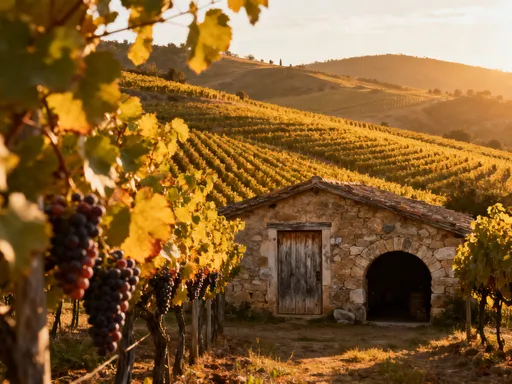
The Loire Valley is home to more than 300 miles of vineyards, each stretch defined by its unique geology, elevation, and exposure. From the flint-rich soils of Sancerre to the tuffeau limestone of Vouvray, the land speaks through its wines. A glass of Pouilly-Fumé carries the sharp, smoky note of flint; a sip of Chinon reveals the earthy depth of volcanic clay. These aren’t marketing claims—they’re measurable expressions of terroir, the French concept that a wine’s character is shaped by the very soil it grows in. And in the Loire, that concept isn’t abstract. It’s tangible, visible, drinkable.
Walking through a vineyard in the early morning, you can feel the difference underfoot. In Sancerre, the chalky, stony ground drains quickly, forcing vines to dig deep for water, which concentrates flavors in the grapes. In Vouvray, the soft, porous tuffeau stone—used to build many of the region’s châteaux—retains moisture and radiates warmth, helping Chenin Blanc ripen slowly and evenly. Each appellation has its own rhythm, its own story. And many winemakers, especially in family-run estates, treat their vineyards like gardens—pruning by hand, avoiding synthetic chemicals, and harvesting at the precise moment nature dictates.
Visiting a small cellar in Montlouis-sur-Loire, I met a winemaker who had inherited the property from her grandfather. She led me down cool, dimly lit stairs into a cave carved from tuffeau, where barrels rested in quiet rows. As she poured a taste of her dry Chenin Blanc, she explained how the wine’s honeyed citrus notes came from the south-facing slope where the grapes grew. “The land tells us what to do,” she said. “We just listen.” That humility, that respect for nature, is woven into every bottle. And when you taste it—crisp, layered, alive—you understand it’s not just wine. It’s a portrait of the valley itself.
Orchard-Fresh Delights: From Tree to Table
If the vineyards define the Loire’s northern slopes, the orchards claim the sunlit valleys and gentle plateaus. This is one of France’s most important fruit-growing regions, renowned for its cherries, apples, pears, and plums. In spring, the air fills with the delicate perfume of blossoms; in autumn, the trees sag under the weight of ripened fruit. These aren’t decorative trees—they’re working orchards, many family-owned, where generations have perfected the art of growing, harvesting, and preserving.
One morning, I visited an orchard near Amboise during the apple harvest. Workers moved through the rows, picking fruit by hand to avoid bruising. The apples—varieties like 'Belmac' and 'Reine des Reinettes'—were sorted on-site, some destined for fresh markets, others for cider or juice. In a small on-site press, I watched as crates of apples were crushed and pressed, releasing a sweet, tangy aroma that filled the air. The fresh juice, still cloudy with pulp, was served in mugs—unpasteurized, unfiltered, bursting with flavor. Nearby, a fermentation tank bubbled quietly, transforming another batch into traditional Loire cider, dry and slightly effervescent.
Fruit here doesn’t just become drink—it becomes dessert, condiment, even medicine. Poached pears in red wine, spiced with cinnamon and cloves, are a winter staple. Tarte Tatin, the famous upside-down caramelized apple tart, originated in the Loire at the Hotel Tatin in Lamotte-Beuvron. Local cherries are steeped in eau-de-vie to make *guignolet*, a sweet liqueur often served as a digestif. Even the byproducts find use: apple pomace is fed to pigs, contributing to the region’s prized charcuterie. For a woman who values resourcefulness and seasonal eating, the Loire’s orchard culture feels deeply resonant—a reminder that abundance, when respected, can sustain for generations.
Market Days: Where Nature’s Bounty Comes Alive
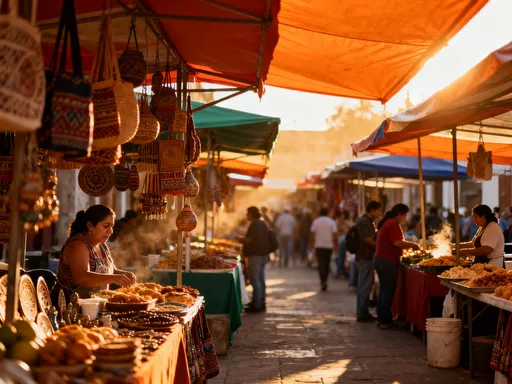
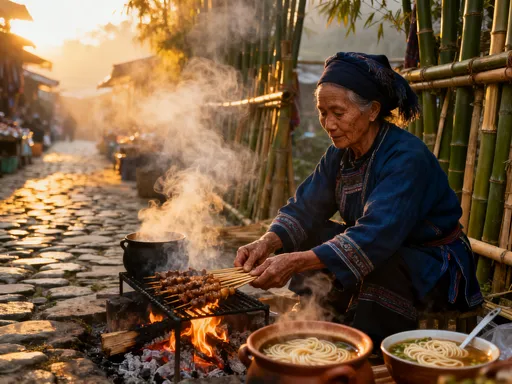
There’s no better way to understand the Loire Valley than spending a morning at one of its weekly markets. In towns like Amboise, Blois, or Saumur, the market isn’t just a place to shop—it’s a weekly celebration of the land’s generosity. Held in cobbled squares or along tree-lined avenues, these markets transform ordinary streets into vibrant tapestries of color, scent, and sound. Stalls are piled high with just-harvested vegetables, wild mushrooms foraged from nearby forests, and cheeses so fresh they still carry the warmth of the dairy.
Goat cheese, in particular, is a star. The Loire is known as the “garden of France,” but it might just as well be called the “kingdom of chèvre.” From soft, creamy rounds to aged, crumbly logs dusted with ash, the variety is astounding. Many cheeses come from small farms where goats graze on wild herbs and riverbank grasses, giving the milk a distinctive, floral tang. I spoke with a cheesemaker in Touraine who explained how the seasons change the flavor of her cheese. “In spring, when the goats eat fresh clover, the milk is sweet. In summer, with more thyme and rosemary, it’s sharper, more aromatic.” That kind of intimate knowledge—passed from hand to hand, season to season—is what makes these markets so special.
But it’s not just about the food. It’s about the people. Farmers greet regular customers by name. Children reach for samples of honey on a spoon. Elderly couples debate the ripeness of melons with quiet intensity. There’s a rhythm here, a sense of continuity. You’re not just buying groceries—you’re stepping into a living tradition. And for a traveler, that connection is priceless. It turns a simple purchase into a moment of belonging. You leave not just with a bag of produce, but with stories, smiles, and a deeper understanding of what it means to eat with the land, not against it.
Farm-to-Table Realized: Dining with a View
The true magic of the Loire Valley reveals itself at the table—especially when that table sits on a sunlit terrace overlooking vineyards or orchards. Here, farm-to-table isn’t a trend or a marketing slogan. It’s simply the way things have always been done. In small countryside restaurants, chefs often source ingredients from their own gardens, nearby farms, or even the wild edges of the forest. The menus change daily, sometimes hourly, depending on what’s fresh and in season.
I remember a lunch at a family-run *auberge* near Chinon. The dining room opened onto a garden where rosemary and thyme grew in neat rows, and chickens scratched in the dirt. The menu was short: a terrine of duck and pork, a salad with warm chèvre and walnuts, a fillet of river fish with lemon and herbs. Each dish arrived simply plated, letting the ingredients speak for themselves. The rillettes melted on the tongue, rich and savory; the cheese had a clean, tangy bite; the fish tasted of the river and the sky. And the wine—a light, fruity Cabernet Franc from a vineyard just down the road—complemented every bite without overpowering it.
What made the meal unforgettable wasn’t luxury or extravagance. It was its honesty. There were no foams or molecular gastronomy tricks—just food prepared with care, served with pride, and eaten in peace. The chef, a woman in her fifties with sun-weathered hands, came out to chat between courses. She spoke of foraging wild mushrooms in October, pressing her own olive oil (imported, but blended with local herbs), and pickling vegetables for winter. “I don’t cook to impress,” she said. “I cook to nourish.” That philosophy—quiet, grounded, deeply connected to place—is what defines Loire Valley cuisine. It’s food that doesn’t just feed the body, but comforts the soul.
Slow Living, Full Flavors: Why This Journey Stays With You
Leaving the Loire Valley, I carried more than souvenirs. I carried a feeling—a sense of alignment, of things being as they should be. In a world that often feels rushed, fragmented, and disconnected, the Loire offers a different rhythm. Here, time moves with the seasons. Food comes from the land you can see. Beauty isn’t separate from utility; it grows from it. This is mindful travel at its finest—not about checking off landmarks, but about relearning how to be present, how to taste, how to listen.
What stays with you is the understanding that flavor has roots. That a perfect peach isn’t just sweet—it’s the product of sun, soil, and someone’s careful hands. That a glass of wine can carry the memory of a hillside, a river, a century of tradition. The Loire Valley proves that sustainability and beauty can coexist—that protecting the land doesn’t mean sacrificing pleasure, but deepening it. Organic farming, small-scale production, seasonal eating—these aren’t niche trends here. They’re the foundation of daily life.
For women in their 30s, 40s, and 50s—who often carry the weight of family, work, and endless to-do lists—this kind of travel is more than a vacation. It’s a reset. It’s a reminder that richness isn’t measured in speed or accumulation, but in depth and connection. That true luxury isn’t caviar or champagne, but a loaf of crusty bread, a wedge of fresh cheese, and a view that makes you pause. The Loire Valley doesn’t shout. It whispers. And if you slow down enough to hear it, it might just change the way you eat, travel, and live. So go. Taste the terroir. Let the land feed you—not just your body, but your spirit.