You Won’t Believe What’s Hiding in Karuizawa’s Woods
Nestled in the cool highlands of Nagano, Karuizawa isn’t just a summer escape—it’s a design lover’s dream. I went looking for peace among the trees and stumbled upon something unexpected: jaw-dropping architecture blending nature and modernity in ways I’d never seen. From glass chapels to treetop villas, this town turns buildings into art. If you think Japan’s only about temples and tiny Tokyo apartments, wait until you see what’s quietly rising in the forest.
The Allure of Karuizawa: More Than Just a Mountain Retreat
Perched at over 1,000 meters above sea level, Karuizawa has long been celebrated for its refreshing mountain air and lush pine forests. Since the late 19th century, it has served as a serene retreat for Tokyo’s elite and foreign missionaries seeking relief from the city’s sweltering summers. The town’s popularity began during the Meiji era when a Canadian missionary, Alexander Croft Shaw, discovered its tranquil landscape and recommended it as an ideal summer haven. Over time, Karuizawa evolved from a quiet woodland outpost into a refined resort destination, attracting artists, intellectuals, and families in search of both comfort and natural beauty.
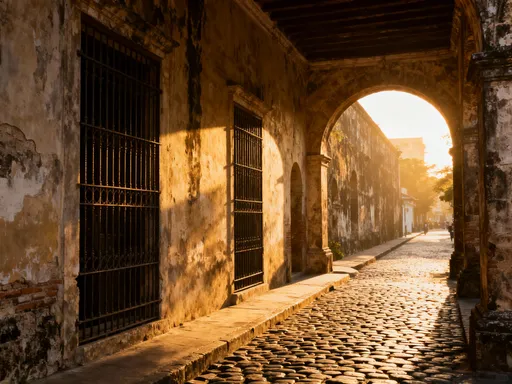
What sets Karuizawa apart is not only its climate but also its cultural evolution. Unlike typical tourist towns that rely solely on seasonal festivals or shopping districts, Karuizawa has cultivated a unique identity rooted in quiet sophistication. Its cobblestone lanes, ivy-covered churches, and tree-lined avenues reflect a European-inspired aesthetic seamlessly woven into Japanese sensibilities. This blend of East and West, tradition and modernity, continues to shape the town’s character today. As urban life grows increasingly fast-paced and digitally saturated, Karuizawa offers a rare opportunity to slow down and reconnect—with nature, with design, and with oneself.
Architecture has quietly become one of Karuizawa’s most compelling attractions. While visitors come for the hiking trails, hot springs, and seasonal foliage, many leave with a deep appreciation for the way buildings here seem to grow organically from the land. Homes, chapels, and public spaces are designed not to dominate the landscape but to complement it. This subtle integration speaks to a deeper philosophy—one where human creation does not override nature but instead enters into a respectful dialogue with it. For thoughtful travelers, especially those who value harmony and intentionality, Karuizawa offers more than scenic views; it offers a lesson in mindful living through design.
Where Nature Meets Design: The Philosophy Behind Karuizawa’s Buildings
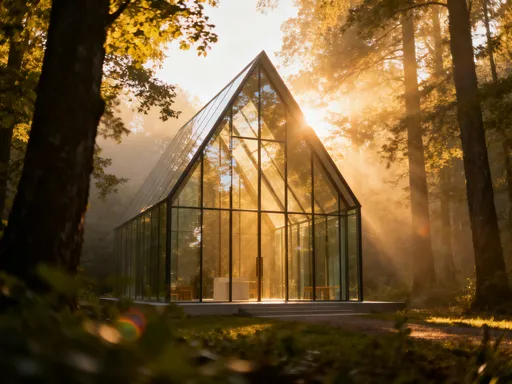
At the heart of Karuizawa’s architectural appeal lies a deep respect for the natural environment. Architects working in the region often begin their designs not with floor plans, but with careful observation of the terrain, sunlight patterns, wind flow, and surrounding vegetation. This site-sensitive approach ensures that each structure feels like an extension of the forest rather than an intrusion upon it. The result is a built environment where walls of glass open onto mossy glades, wooden beams echo the grain of nearby trees, and rooftops mimic the gentle slope of distant hills.
One of the guiding principles in Karuizawa’s architecture is the seamless blurring of indoor and outdoor spaces. Sliding glass doors, cantilevered decks, and open-air courtyards allow residents and visitors to experience the forest from within the comfort of sheltered interiors. In spring, cherry blossoms drift through open verandas; in autumn, the rustling of golden leaves becomes part of the home’s daily soundtrack. This fluid connection fosters a profound sense of belonging—a feeling that one is not merely visiting nature but living within it. Such design choices are not just aesthetic; they are psychological, promoting calm, clarity, and emotional well-being.
Influences from traditional Japanese aesthetics are evident throughout Karuizawa’s modern structures. Concepts such as *wabi-sabi*, which celebrates imperfection and transience, can be seen in the use of weathered wood, handmade tiles, and asymmetrical forms. Similarly, the principle of *ma*, or negative space, is honored through minimalist layouts that prioritize openness and stillness. Rooms are not overcrowded with furniture or decoration; instead, they offer breathing room—both physically and mentally. These elements create environments that invite reflection, making them ideal for retreats, meditation spaces, and homes meant for restorative living.
The materials used in construction further reinforce this harmony. Local stone, cedar, and cypress are commonly employed, not only for their durability but also for their ability to age gracefully. Over time, wooden facades develop a silvery patina, blending even more deeply into the forest backdrop. Glass is another essential material, used not for炫耀 but for transparency—allowing light to flood interiors while maintaining visual continuity with the outside world. Together, these design choices reflect a philosophy that values sustainability, humility, and timelessness over spectacle or excess.
Iconic Structures That Define the Town’s Skyline
Among Karuizawa’s most celebrated architectural landmarks is the Bell Church, a slender white structure nestled in a grove of evergreens. Designed by renowned architect Takashi Sugimoto, the church features a striking bell tower that rises like a steeple of light, visible from various points along the forest path. Though small in scale, the building carries emotional weight—its serene interior, illuminated by soft natural light filtering through frosted glass, creates a space for quiet contemplation. The surrounding garden, with its carefully raked gravel and seasonal plantings, enhances the sense of peace. While originally built for wedding ceremonies, the church welcomes visitors year-round, serving as both a spiritual sanctuary and a testament to architectural elegance.
Another notable site is the Shishiodoshi Garden, where modern interpretations of traditional tea houses offer a fresh take on Japanese ritual. These small, pavilion-like structures are built using local timber and feature steeply pitched roofs that echo the silhouette of mountain peaks. Inside, tatami-matted rooms provide intimate settings for tea ceremonies, while large windows frame views of koi ponds and bamboo groves. The design honors centuries-old customs while incorporating contemporary touches—such as underfloor heating and discreet lighting—that enhance comfort without compromising authenticity. Visitors are invited to participate in guided tea experiences, offering a rare opportunity to engage with culture through both ritual and environment.
Public accessibility plays a crucial role in how these structures are experienced. Unlike many private villas hidden behind gates, sites like the Bell Church and Shishiodoshi Garden are open to respectful exploration. Well-marked walking paths, informational signage in multiple languages, and seasonal events encourage engagement without disruption. During spring and autumn, guided architecture tours are offered, allowing guests to learn about construction techniques, material sourcing, and the stories behind each building. These experiences deepen appreciation, transforming casual sightseeing into meaningful cultural immersion.
What unites these iconic structures is their ability to serve multiple purposes—spiritual, social, and artistic—while remaining deeply rooted in place. They are not monuments meant to impress, but spaces designed to uplift. Whether hosting a wedding, a meditation session, or a quiet moment of reflection, they remind us that architecture, at its best, should enhance human experience without overshadowing the natural world. In Karuizawa, this balance is not just achieved—it is celebrated.
Hidden Gems: Off-the-Beaten-Path Architectural Wonders
Beyond the well-known landmarks, Karuizawa harbors a collection of lesser-seen architectural treasures tucked deep within its wooded neighborhoods. These include private villas, artist studios, and small design galleries that, while not open to the public, reveal themselves partially through glimpses along public trails and quiet lanes. One might catch a view of a cantilevered glass box suspended above a stream, or a curving concrete wall draped in ivy, blending seamlessly into the hillside. Though entry is restricted, the external beauty of these structures offers a rewarding experience for those who walk with awareness and respect.
In recent years, a new wave of boutique design hotels and eco-lodges has emerged, bringing innovative architecture to a broader audience. Properties such as small ryokan-style inns and minimalist guesthouses prioritize sustainability and aesthetic integrity. Many are constructed using reclaimed wood, solar panels, and rainwater harvesting systems, reflecting a commitment to environmental responsibility. Interiors are intentionally sparse—featuring low platforms, natural textiles, and integrated storage—to minimize visual clutter and maximize serenity. Guests often describe their stays as transformative, noting how the simplicity of the space encourages mindfulness and deeper connection with the surroundings.
For travelers interested in discovering these hidden works of design, the key is ethical exploration. Karuizawa remains, in many ways, a residential community, and privacy is highly valued. Visitors are encouraged to admire architecture from public pathways, avoid trespassing, and refrain from using drones or loud photography equipment. Some local organizations offer curated walking tours that provide access to select private spaces with owner permission, ensuring that appreciation does not become intrusion. This culture of quiet respect enhances the overall experience, making discovery feel earned rather than imposed.
These off-the-beaten-path sites also reflect a growing trend in Japanese design: the fusion of tradition and innovation in subtle, understated ways. A modern villa may feature a thatched roof reinterpreted in fire-resistant synthetic materials, or a garden courtyard may incorporate digital water features that mimic the sound of rain. These details are not flaunted but revealed slowly, rewarding patient observation. For the discerning eye, Karuizawa becomes a living gallery—one where every turn reveals another quiet masterpiece, waiting to be noticed.
Walking Through Design: Best Routes to Experience Karuizawa’s Architecture
To fully appreciate Karuizawa’s architectural landscape, one must move through it on foot. The most rewarding way to experience the town is via its network of walking trails, which connect natural attractions with built environments in a seamless loop. One recommended route begins at Kumoba Pond, a tranquil alpine lake surrounded by tall pines. From here, a gentle path leads northward, passing through shaded groves and opening onto clearings where modern homes and chapels emerge like sculptures in the forest. The route culminates at the Catholic Church of Karuizawa, a modest stone building with a copper roof that glimmers softly in the dappled light.
Each season transforms the experience of these walks. In winter, snow blankets rooftops and branches, turning glass structures into luminous lanterns glowing from within. The contrast between warm interiors and the crisp white landscape outside enhances the feeling of sanctuary. In summer, the forest floor comes alive with moss and ferns, and stone walls become veiled in green, softening architectural lines and blending buildings into their surroundings. Autumn brings a cascade of reds and golds, with maple leaves clinging to wooden eaves and floating on still ponds, creating fleeting works of natural art.
Timing is essential for optimal viewing. Early morning light, especially between 7 and 9 a.m., casts a soft golden glow that highlights textures—wood grain, stone surfaces, and glass reflections—without harsh shadows. This is also the best time to avoid crowds, allowing for uninterrupted contemplation. Late afternoon, just before sunset, offers a different mood: warmer tones, longer shadows, and a peaceful hush as the day winds down. Many visitors find this time ideal for photography or quiet reflection.
For those planning a self-guided tour, several local maps and mobile apps provide annotated routes that identify architectural highlights, historical notes, and points of interest. Some include audio commentary from architects and historians, enriching the journey with context and insight. Whether walking alone or with a small group, these trails invite a slower, more intentional form of travel—one that values presence over pace, observation over consumption. In Karuizawa, the path itself becomes part of the design, guiding the traveler not just through space, but through experience.
Architecture as a Gateway to Local Culture and Craftsmanship
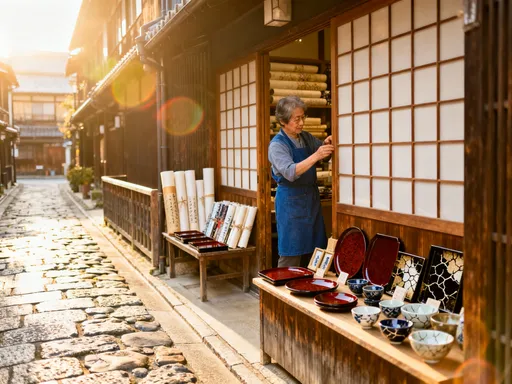
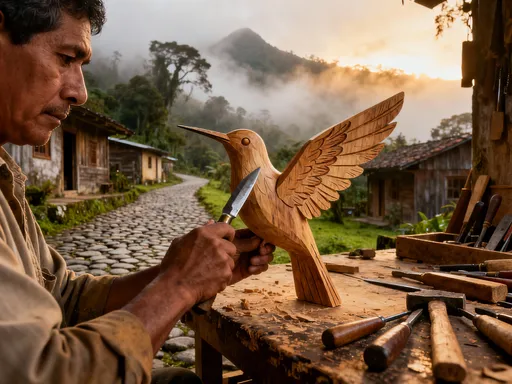
The buildings of Karuizawa are not just the work of visionary architects—they are also the product of skilled local artisans whose craftsmanship brings designs to life. Traditional carpenters, stonemasons, and tile makers continue to play a vital role in construction, ensuring that modern structures retain a human touch. Many of these craftspeople come from families with generations of experience, passing down techniques that date back centuries. Their work is evident in the precision of wooden joinery, the hand-laid stone foundations, and the custom-made hardware found in high-end homes and public buildings.
Visitors have the opportunity to witness this craftsmanship firsthand through workshops and gallery visits. Several studios in the area offer hands-on experiences, such as woodworking classes, washi paper making, and lacquerware demonstrations. These activities provide a deeper understanding of the materials and methods used in Karuizawa’s architecture, fostering appreciation beyond surface-level beauty. Families often participate together, creating shared memories while learning about Japanese traditions in a practical, engaging way.
Galleries and design shops throughout the town also showcase the intersection of old and new. One might find a contemporary ceramic vase displayed beside a centuries-old tea bowl, or a modern chair crafted using traditional joinery techniques. These spaces celebrate continuity—showing how innovation does not require abandonment of heritage, but can instead build upon it. By supporting local artisans and purchasing handmade goods, travelers contribute to the sustainability of these crafts and help preserve cultural identity in the face of globalization.
Sustainable tourism is another key benefit of this architectural-cultural connection. When visitors come to appreciate not just the look of a building, but the story behind it—the hands that shaped it, the materials that sourced it, the values it embodies—they are more likely to travel responsibly. They walk more quietly, speak more softly, and leave with greater respect for the community. In this way, architecture becomes more than shelter; it becomes a bridge between cultures, a teacher of values, and a catalyst for mindful engagement.
Why Karuizawa’s Architectural Story Matters Beyond Aesthetics
Karuizawa’s architectural legacy is not merely about beautiful buildings—it is about a way of living in balance with the environment. In an era of rapid urbanization and climate challenges, the town offers a compelling model for sustainable development. Its structures prove that comfort, elegance, and innovation can coexist with ecological sensitivity. Homes are designed to use passive heating and cooling, minimizing energy consumption. Landscaping integrates native plants that require little irrigation. Even large developments are required to preserve existing trees and maintain green corridors, ensuring that nature remains the dominant presence.
The psychological impact of such design should not be underestimated. Studies have shown that exposure to natural materials, ample daylight, and views of greenery can reduce stress, improve sleep, and enhance cognitive function. In Karuizawa, these elements are not added as afterthoughts—they are central to the design philosophy. Residents and visitors alike report feeling calmer, more focused, and more emotionally grounded during their time in the town. This is not accidental; it is the result of intentional planning that places human well-being at the center of architectural decision-making.
On a broader scale, Karuizawa’s approach has implications for urban planning across Japan and beyond. As cities grapple with overcrowding, pollution, and loss of green space, the Karuizawa model demonstrates how development can proceed without sacrificing environmental integrity. Compact, energy-efficient homes, integrated public spaces, and a strong emphasis on walkability are all features that could be adapted to other contexts. The town shows that progress does not have to mean concrete sprawl or glass towers, but can instead take the form of thoughtful, human-centered design.
For the traveler, Karuizawa invites a shift in perspective. It asks us to slow down, to look closely, and to consider how the places we inhabit shape who we are. It challenges the notion that travel must be about ticking off landmarks or chasing novelty. Instead, it suggests that meaning can be found in stillness, in detail, in the quiet conversation between a wooden beam and a sunlit forest. Buildings here do not shout for attention—they whisper, inviting those who listen to discover something deeper.
Karuizawa’s quiet revolution isn’t loud or flashy—it’s whispered through clean lines, reflected glass, and wooden beams cradled by trees. This isn’t just architecture; it’s a dialogue between humanity and nature, built to inspire awe without disturbing the forest’s breath. As more travelers seek meaning in design, Karuizawa stands as a powerful example of how places can evolve without losing their soul. Maybe the future of travel isn’t about where we go—but how we see what’s already there.