You Gotta See These Hidden Shopping Spots in Nara – Real Local Gems!
Nara isn’t just about deer and temples—its shopping scene is quietly amazing. I was surprised by how much charm hides in its narrow lanes and quiet arcades. From handmade crafts to vintage finds, the city offers authentic experiences without the tourist rush. If you’re looking to bring home something meaningful, not mass-produced, Nara delivers. Let me take you through the real shopping spots locals love—practical, peaceful, and full of soul.
Why Nara’s Shopping Stands Out
Shopping in Nara feels different from the bustling commercial energy of Tokyo or even the curated elegance of Kyoto. Here, commerce moves at the pace of tradition. The city’s shopping culture is rooted in daily life, not just tourism. Locals stroll through arcades to buy fresh vegetables, pick up handmade kitchen tools, or browse fabric shops passed down through generations. This authenticity gives Nara’s retail landscape a grounded, welcoming feel—there’s no pressure to buy, only the invitation to explore.
What sets Nara apart is its seamless blend of heritage and practicality. Many shops are housed in centuries-old merchant buildings, their wooden facades softened by time. Yet inside, they offer goods that are both beautiful and useful—handwoven baskets, locally brewed soy sauce, or pottery made in nearby kilns. Unlike department stores in major cities that prioritize national brands, Nara’s shops spotlight regional creators. This focus on local craftsmanship means every purchase supports small artisans and preserves cultural traditions.
The city’s quieter atmosphere also enhances the shopping experience. You won’t find long lines or aggressive promotions. Instead, vendors greet visitors with quiet warmth, often sharing stories behind their products. This personal touch transforms shopping from a transaction into a connection. Whether you're browsing a roadside stall or a tucked-away boutique, you're not just buying an item—you're learning about a craft, a family, or a way of life. For travelers seeking depth over dazzle, Nara’s shopping rhythm offers a refreshing alternative.
Nara Machikado Museum & the Revival of Traditional Crafts
One of Nara’s most unique shopping experiences lies within the Nara Machikado Museum, a cultural initiative that transforms historic townhouses into living showcases of local craftsmanship. These restored Edo-period buildings, once homes to merchants and artisans, now serve as intimate galleries and micro-stores. Each house focuses on a specific craft, from washi papermaking to indigo dyeing, offering visitors a hands-on glimpse into techniques preserved for generations.
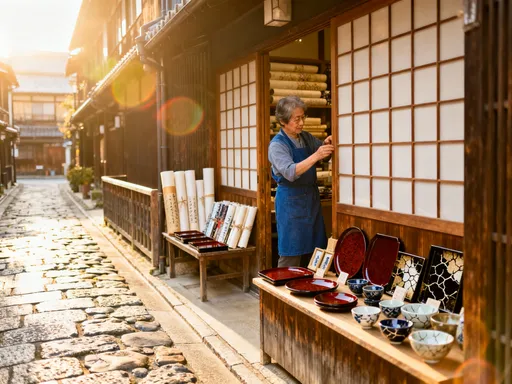
Inside these quiet spaces, you’ll find more than souvenirs—you’ll encounter artistry. Delicate sheets of handmade paper are displayed beside the wooden molds used to create them. Lacquerware bowls, polished to a deep sheen, rest on shelves next to tools that haven’t changed in centuries. Some buildings even host live demonstrations, where artisans explain their process while shaping, painting, or weaving. This educational layer adds depth to every purchase, allowing visitors to understand not just what they’re buying, but why it matters.
Shopping here feels intentional. Because each item is made in small batches, often by a single craftsman, the prices reflect real labor and material value. But that also means you’re acquiring something rare—a fan painted with natural pigments, a linen apron stitched with traditional patterns, or a tea caddy sealed with layers of lacquer over months. These aren’t decorative trinkets; they’re functional heirlooms meant to be used and cherished.
The museum also offers multilingual brochures and guided tours, making it accessible to international visitors. And because it’s not widely advertised, the experience remains calm and uncrowded. You can linger in a single building for twenty minutes, sipping tea offered by a resident artisan, without feeling rushed. For travelers who value authenticity over convenience, the Nara Machikado Museum is a quiet revelation—a place where shopping becomes a form of cultural preservation.
Sanjusangencho Shopping Street – More Than Just Souvenirs
Just a short walk from Nara Park, Sanjusangencho Shopping Street offers a lively yet manageable alternative to the city’s quieter craft zones. This covered arcade stretches nearly 400 meters and has served the local community for over a century. While it attracts tourists, especially those visiting the nearby temple of the same name, it remains a true neighborhood market at heart. Families come here to buy snacks, household goods, and seasonal decorations, giving the street a genuine, lived-in quality.
The street’s charm lies in its mix of old and new. Long-standing stalls sell traditional sweets like yomogi dango (mugwort dumplings) and narazuke pickles—crisp vegetables preserved in sake lees using a method unique to the region. Other vendors offer handmade fans, wooden combs, and calligraphy brushes, many produced in small workshops just outside the city. At the same time, younger entrepreneurs have opened boutiques selling modern interpretations of Japanese design—cotton totes printed with deer motifs, minimalist ceramics, or matcha-flavored chocolates in elegant packaging.
For visitors, the key is knowing where to look. The most authentic items are often found in the less flashy stores—small counters with handwritten signs and glass cases filled with carefully arranged goods. Avoid the bright neon stalls near the entrance that cater to tour groups; instead, wander toward the middle and far ends of the arcade, where locals shop. Early mornings on weekdays are ideal, when vendors are restocking and happy to chat.
Another tip: come with an open mind and reusable bag. Many food vendors wrap purchases in paper or cloth, reducing plastic use. If you try a sample—say, a warm mochi stuffed with red bean paste or a bite of smoked venison (a regional specialty)—it’s polite to make a small purchase afterward. And don’t rush. The best finds often come from lingering—watching a vendor fold paper boxes by hand, or asking about the origin of a hand-carved incense holder. Sanjusangencho isn’t about ticking off a list; it’s about slowing down and letting the street reveal itself.
Takashimaya Department Store – Urban Convenience Meets Local Flavor
For travelers who appreciate the reliability of a department store but still want to discover local flavors, Takashimaya in central Nara strikes the perfect balance. Located just steps from Kintetsu Nara Station, this modern building houses everything from fashion boutiques to home goods, but its true gem lies in the basement: the depachika, or department store food hall. This is where tradition meets precision, and every shelf tells a story of regional pride.
The depachika is a feast for the senses. Long counters display bento boxes arranged like art, delicate wagashi (Japanese confections) shaped like seasonal flowers, and rows of pickled vegetables in glass jars. But what makes this space special is its emphasis on Nara-made products. You’ll find limited-edition mochi made with local rice, tea blends infused with herbs from the Yoshino mountains, and gift sets of narazuke pickles packaged in reusable wooden boxes. These items are not just edible—they’re edible heritage.
Shopping here is efficient and elegant. Staff wear crisp uniforms and wrap purchases with meticulous care, often adding tissue paper and ribbon at no extra cost. Many items are labeled in English, and prices are clearly marked, making it easy to compare options. For travelers short on time, this is the fastest way to gather high-quality, authentic gifts without wandering through multiple markets.
Another advantage: Takashimaya participates in Japan’s tax-free shopping program. Visitors with a passport can receive a refund on purchases over 5,000 yen, making premium goods more accessible. Just present your passport at the information desk on the first floor. And because the store is climate-controlled and well-lit, it’s a welcome refuge on rainy days or during summer heat. While it may not feel as “hidden” as other spots on this list, Takashimaya proves that convenience and authenticity don’t have to be mutually exclusive.
Hidden Independent Shops in Naramachi District
If Nara has a soul, it lives in Naramachi—a preserved merchant district where narrow streets wind past whitewashed buildings with latticed windows and tiled roofs. Once a hub for silk traders and sake brewers, this neighborhood now pulses with creative energy. Independent shops, studios, and cafés have taken root in the old houses, turning Naramachi into a living museum of quiet innovation.
One of the most rewarding ways to explore is simply to wander. Turn down an alley marked with a faded wooden sign, and you might stumble upon a tiny kintsugi studio where a craftsman repairs broken pottery with gold lacquer. Step inside, and he may invite you to try a basic repair technique using rice paste and natural glue. Nearby, a sake boutique offers tastings of locally brewed varieties, each with a distinct profile—some dry and crisp, others rich and floral. The owner might explain how water from Nara’s mountains affects the fermentation process, turning geography into flavor.
Other shops specialize in textiles, selling hand-dyed tenugui (cotton cloths) printed with deer, pagodas, or floral patterns. These are versatile—use them as napkins, wall hangings, or gift wraps—and because they’re made in small batches, no two are exactly alike. Jewelry makers work with natural materials like bamboo, shell, and local stones, creating pieces that feel organic and understated. And in converted storehouses, ceramicists display plates, cups, and vases fired in wood-burning kilns, each bearing the subtle marks of flame and ash.
What makes these shops special is access. Unlike galleries or museums, most encourage touching, trying, and talking. You can hold a teacup, feel its weight and texture, and ask the maker about the clay source. This direct connection transforms shopping into a conversation. And because these creators depend on foot traffic, your purchase has immediate impact—supporting a family, a studio, or a craft on the verge of disappearing. For travelers who want more than a memory, Naramachi offers a way to carry a piece of Nara’s spirit home.
Farmers’ Markets and Seasonal Stalls – Fresh, Local, and Underrated
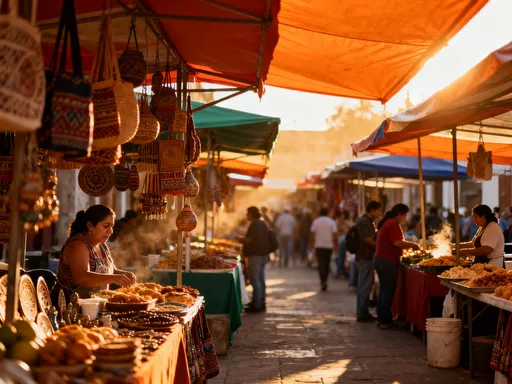
Beyond handmade crafts, Nara’s shopping experience includes its vibrant farmers’ markets—seasonal gatherings where farmers, bakers, and food artisans sell directly to the public. The most well-known is the Nara Farmers’ Market, held every second Sunday near the East Gate of Todaiji Temple. Under colorful tents, vendors display baskets of mountain vegetables, organic eggs, handmade tofu, and honey harvested from nearby forests.
These markets offer a different kind of treasure: food that tastes of place. Try warabi (bracken fern), foraged in spring and served with a soy-based dip; or mitsuba, a fragrant herb used in traditional dishes. You’ll also find ready-to-eat items like grilled ayu (sweetfish) caught in local rivers, or onigiri stuffed with pickled plum and wrapped in nori. Many vendors offer samples, and prices are modest—usually between 100 and 500 yen per item.
What makes these markets special is their rhythm. They’re not open daily, which means each visit feels like an event. Locals arrive early with cloth bags and shopping lists, while tourists wander with cameras and curiosity. The atmosphere is friendly but unhurried. Vendors don’t push sales; they share stories. A farmer might explain how his rice is grown without pesticides, or a baker might describe the sourdough starter she’s nurtured for ten years.
For visitors, preparation enhances the experience. Bring a reusable bag—plastic is discouraged—and some cash, as few vendors accept cards. Arrive by 9:30 a.m. to see the full selection; by noon, popular items like homemade miso or fresh mochi often sell out. And don’t be afraid to point or use simple phrases—many vendors appreciate the effort, even if your Japanese is limited. These markets aren’t just places to buy food; they’re places to experience Nara’s relationship with nature, seasonality, and community.
Practical Tips for Smarter Shopping in Nara
To make the most of your shopping experience in Nara, a few practical steps can go a long way. First, carry cash. While larger stores like Takashimaya accept credit cards, many small vendors, markets, and independent shops operate on a cash-only basis. Having 1,000 to 5,000 yen in small bills will make transactions smoother and show respect for local customs.
Second, learn to identify authentic crafts. Look for labels that say 'made in Nara' or 'handmade by artisan.' Avoid items with mass-produced packaging or imported materials. If a wooden comb costs only 300 yen, it’s likely not carved locally. True craftsmanship takes time, and prices reflect that. When in doubt, ask the vendor about the making process—genuine artisans are proud to share their knowledge.
Third, understand tax-free shopping rules. Foreign visitors can claim refunds on purchases over 5,000 yen at participating stores. Keep your passport handy and ask for the tax-free counter. Note that consumables like food and drinks must be sealed and taken out of the country, so buy them toward the end of your trip.
Store hours in Nara tend to be earlier than in big cities. Many small shops open around 10 a.m. and close by 6 p.m., with some taking a midday break or closing on Wednesdays. Markets are often weekend-only. Planning ahead ensures you don’t miss your chance. Finally, practice mindful shopping. Instead of buying ten small trinkets, choose one or two meaningful items—a hand-thrown bowl, a block-printed scarf, a jar of local honey. These pieces will remind you not just of a place, but of a moment, a conversation, a connection.
Shopping in Nara is less about spending and more about connecting—with culture, with people, with place. Each purchase tells a story rooted in history and care. By choosing thoughtfully, travelers don’t just collect souvenirs; they carry home moments of quiet beauty. Next time you're in Kansai, skip the crowds and let Nara surprise you—one handmade treasure at a time.